

Organised by The Hong Kong Academy for Gifted Education (HKAGE) and delivered by OWLHK, this programme focuses on invasive alien species (IAS). It aims to deepen gifted junior secondary students' understanding of ecology and biodiversity, with a particular emphasis on enhancing their awareness and research capabilities in preventing and managing IAS. Upon completing theoretical sessions and field learning, students engage in collaborative research projects to sharpen their problem-solving, autonomous learning, self-confidence, reflective thinking, and presentation skills. Concurrently, the curriculum nurtures positive values and attitudes, including environmental stewardship, respect for life, and civic responsibility.
Started in February 2026, the programme was completed in July 2026! Spanning half a year, the programme features guidance from local ecology experts, leading 25 gifted students out of the classroom and into nature to dissect the ecological challenges arising from IAS through an inquiry-based approach.
Our experiential learning footprint covers:
- Tai Po Kau Nature Reserve
- Pok Fu Lam Country Park
- Northwest New Territories Wetlands
- Pak Nai Wetland
- Kam Tin Sheung Tsuen
- Ho Sheung Heung Ecological Paddy Field
- “Goldfish Market” in Mong Kok, etc.
By immersing themselves in these outdoor environments, students build a deep emotional connection with nature. Coupled with diversified extended learning activities and group research, they take concrete actions to explore and care for local biodiversity. The programme ultimately empowers students to understand their personal roles in environmental conservation — especially regarding the challenge of IAS — fostering environmental stewardship and action to drive sustainable development in Hong Kong.
[Phase 1 - Ecology and Biodiversity in Hong Kong]
Through interactive indoor lectures, educational games, and field trips, students master the foundational principles of Hong Kong's ecology and biodiversity, including taxonomy, species interactions, and ecosystem dynamics. This phase also serves as a crucial primer for upcoming topics, introducing the definition and transmission pathways of IAS, as well as their profound impacts on local ecosystems, human health, and socio-economics.


[Phase 2 - Invasive Alien Species, Nature and Society]
Combining indoor lectures with on-site sharing by conservation experts and organisations, this phase delves into the research and management strategies of local IAS. Students get hands-on experience by participating in invasive species removal, gaining first-hand insight into the practical challenges faced by conservationists. Furthermore, they venture into the community to conduct market surveys, exploring feasible schemes for the prevention and regulation of IAS at the source.


[Phase 3: Application & Group Projects]
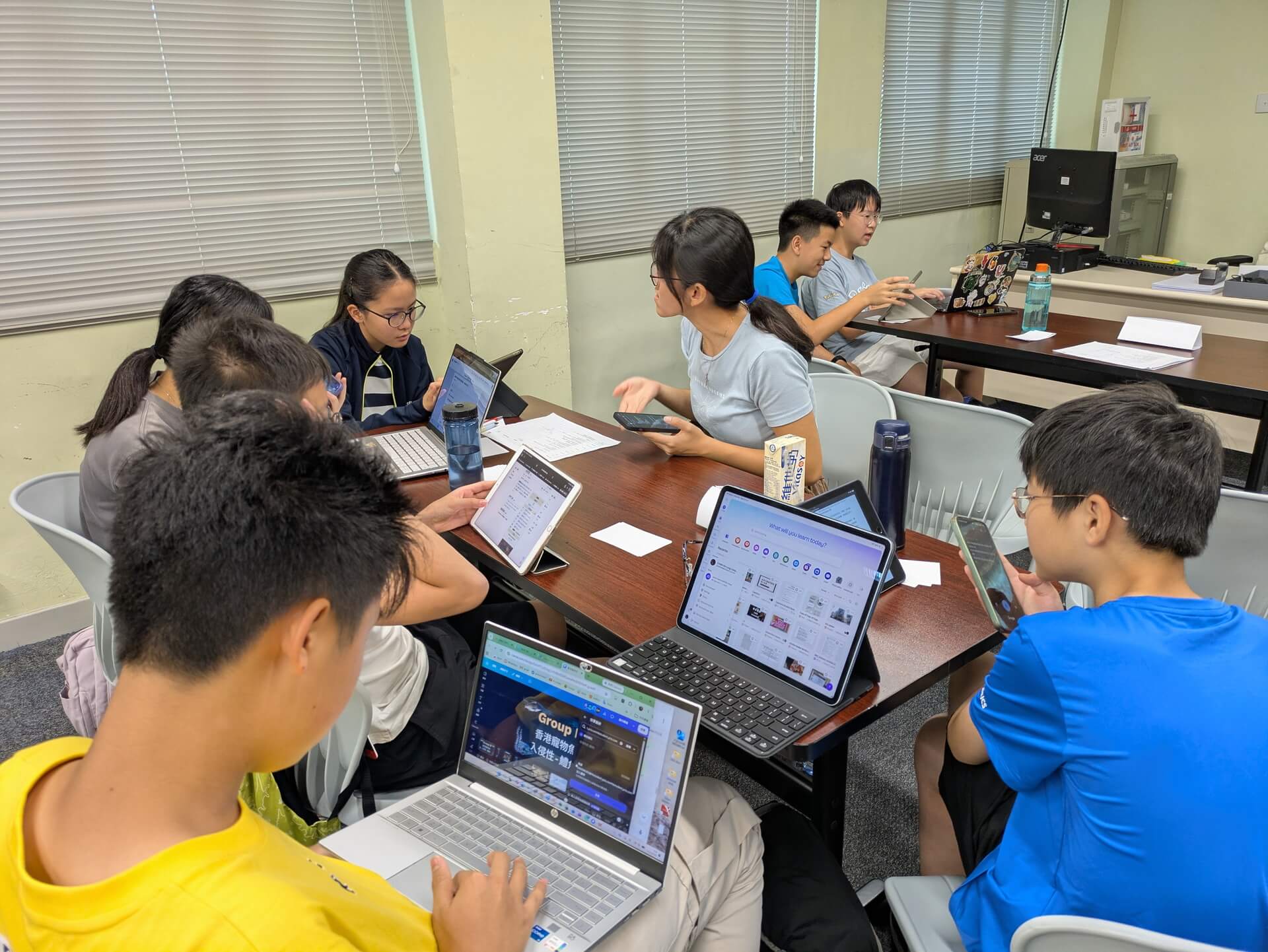
After completing a series of systematic training in Phases 1 and 2, students learned to analyse IAS issues from multiple perspectives. Guided by tutors, they were divided into 5 groups to carry out their own research projects on specific common local IAS using a citizen science approach.
The groups visited different corners of Hong Kong to collect data through field surveys, outdoor experiments, market surveys, and expert interviews. Through careful data analysis, they explored the potential threats these IAS pose to local ecology.
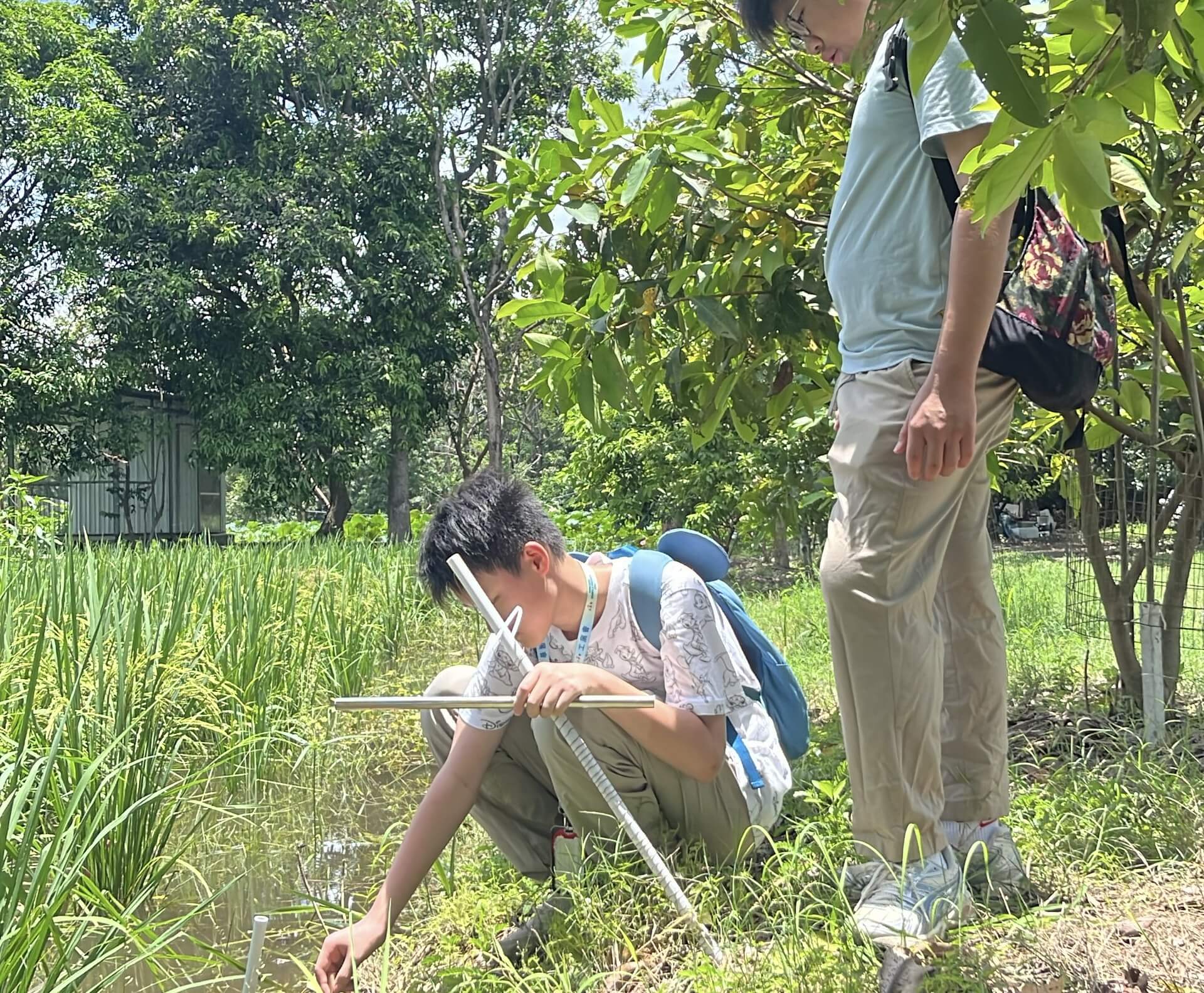
Students set up experimental devices in the rice fields of Ho Sheung Heung to study the environmental preferences of golden apple snails when choosing egg-laying sites.
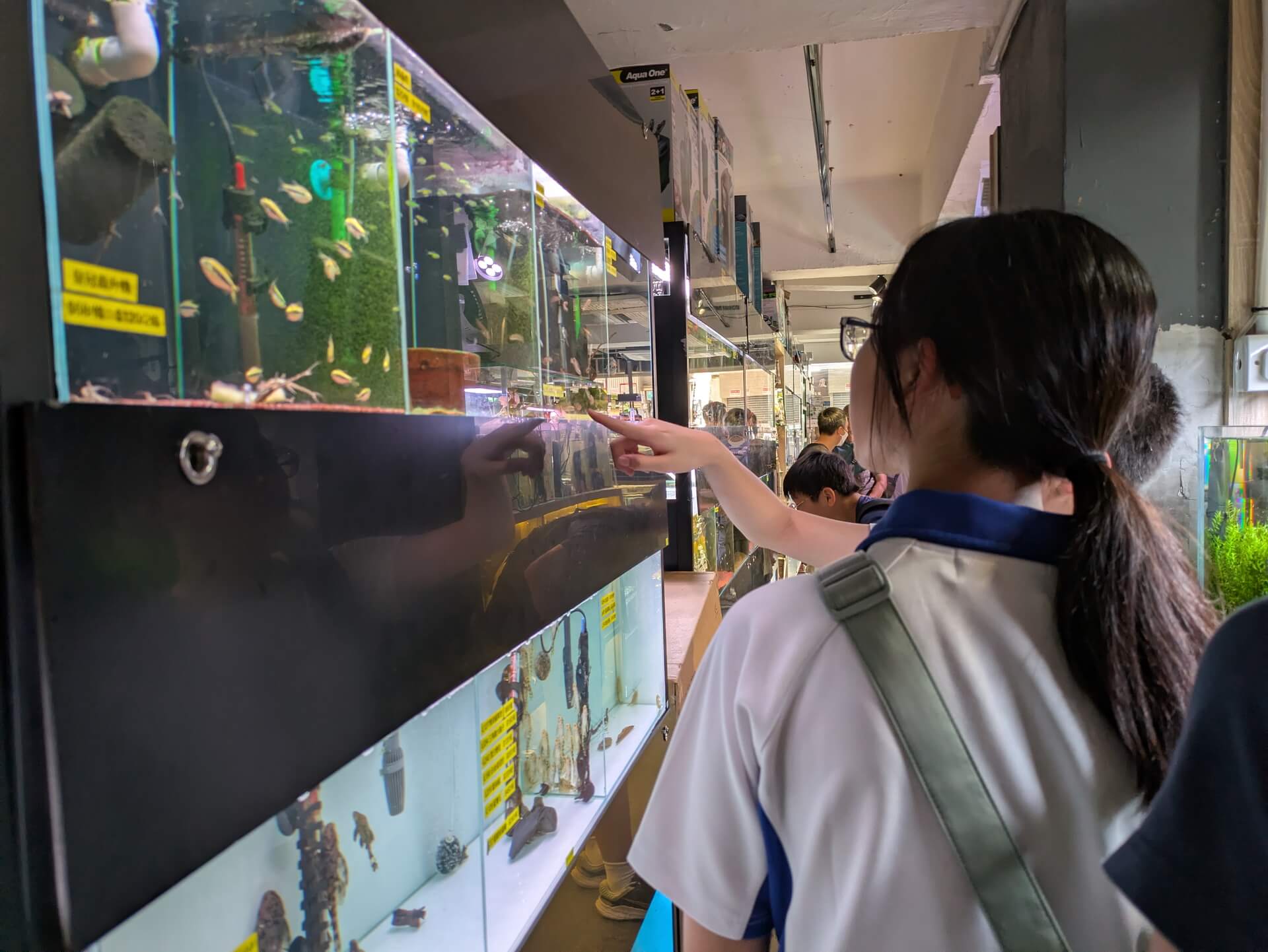
Students conducted a market survey on the Goldfish Street to track and record any potential invasive snakehead species sold in aquarium shops.
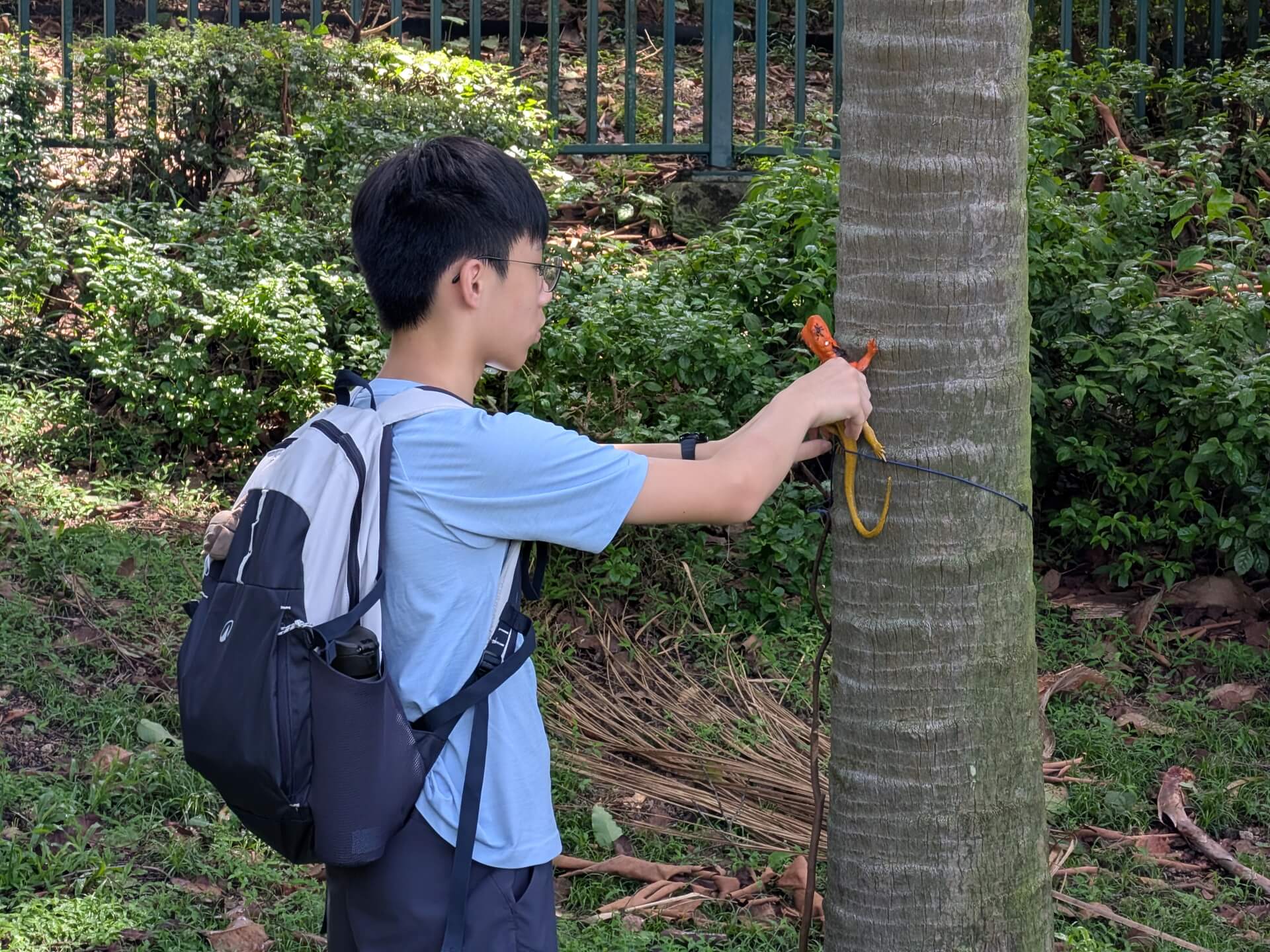
Students used handmade lizard decoys in field experiments to test effective methods for attracting and monitoring blue-crested lizards.
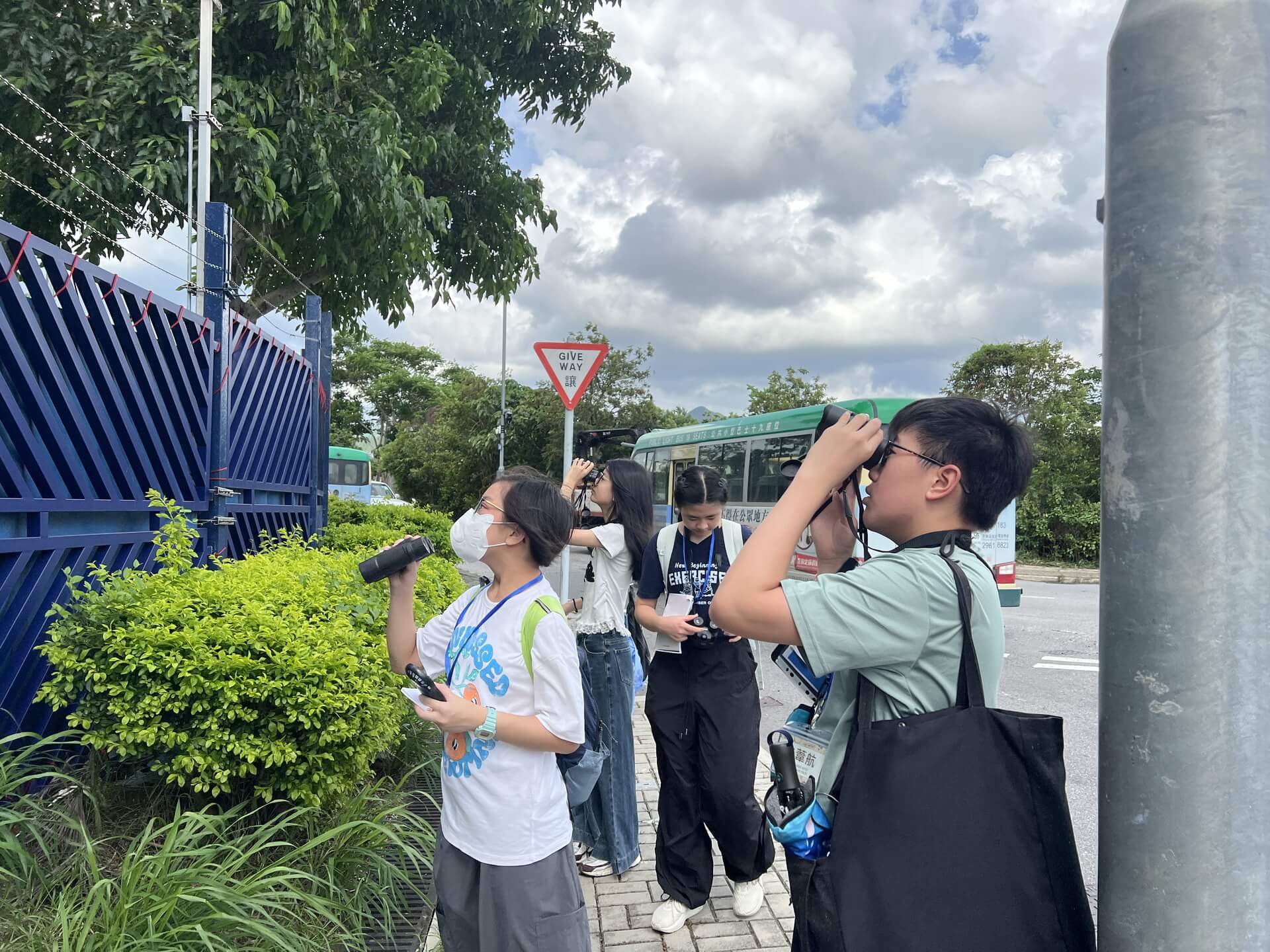
Students visited local hotspots of Alexandrine Parakeets in the wild, using binoculars to track their sightings and observe their behaviour.
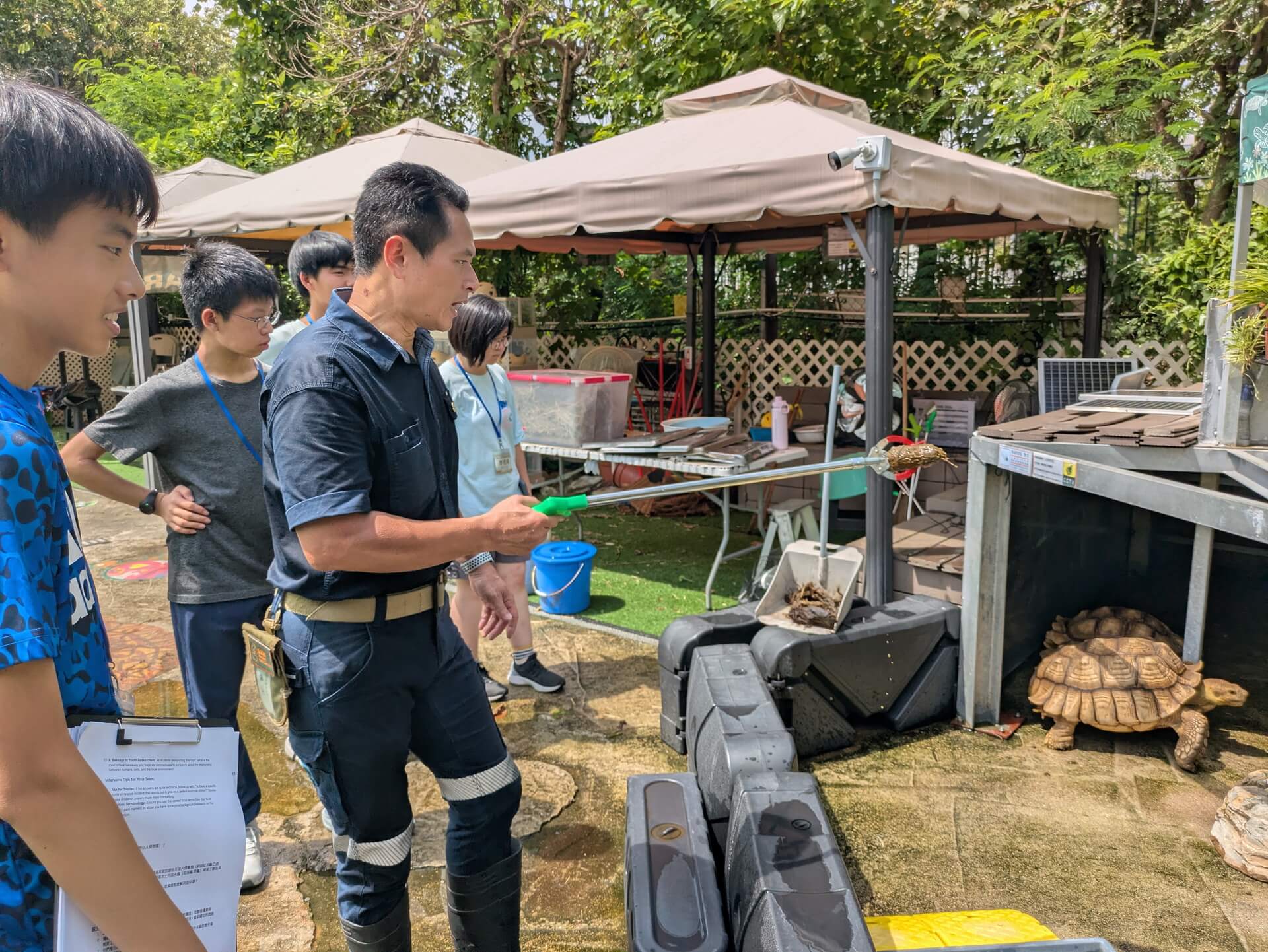
Students interviewed a frontline organisation that has experience in rescuing invasive turtles in the wild, discussing the impacts of abandoning and releasing turtles from a professional viewpoint.
[Research Project Presentation & Graduation Ceremony]
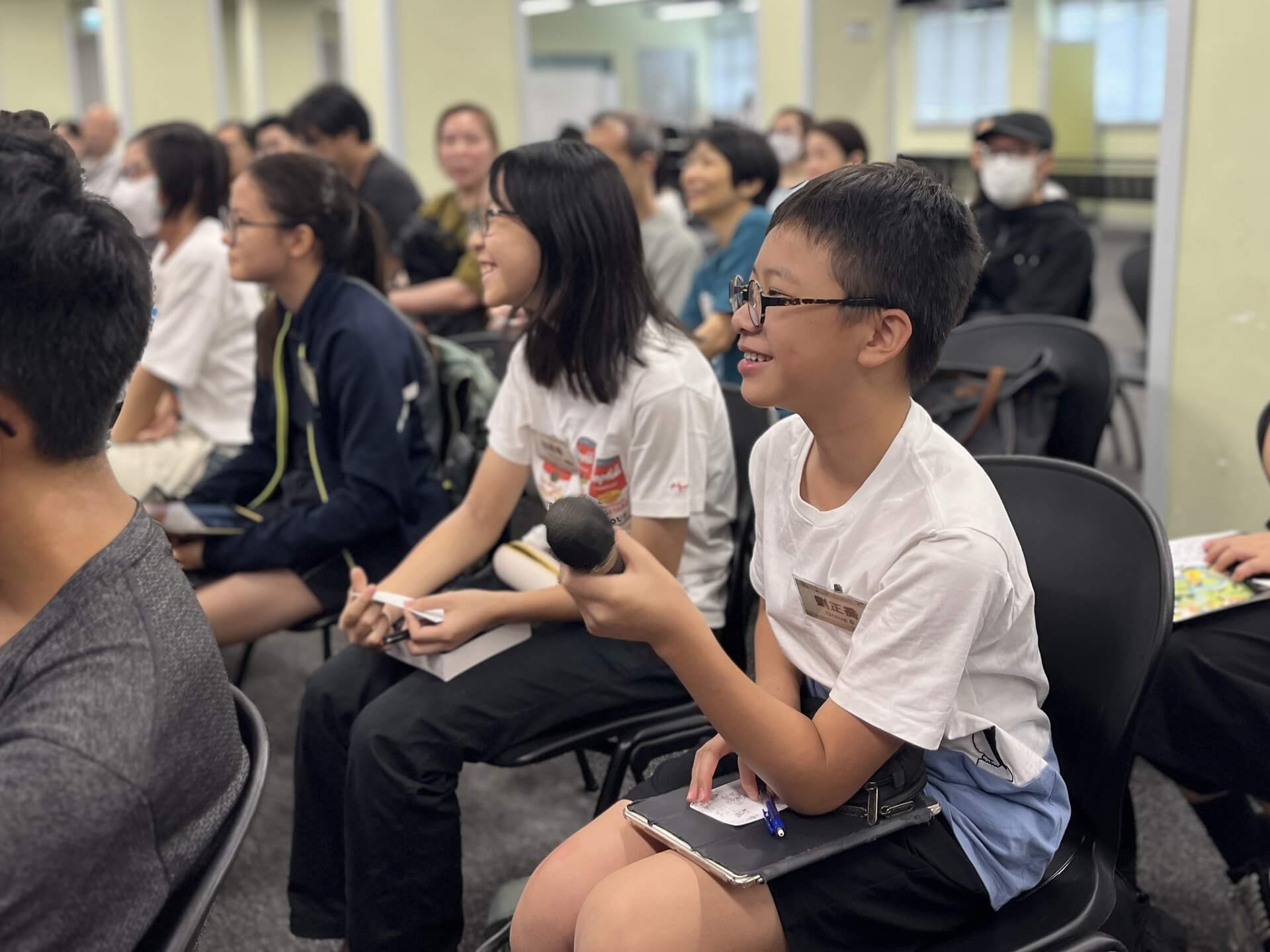
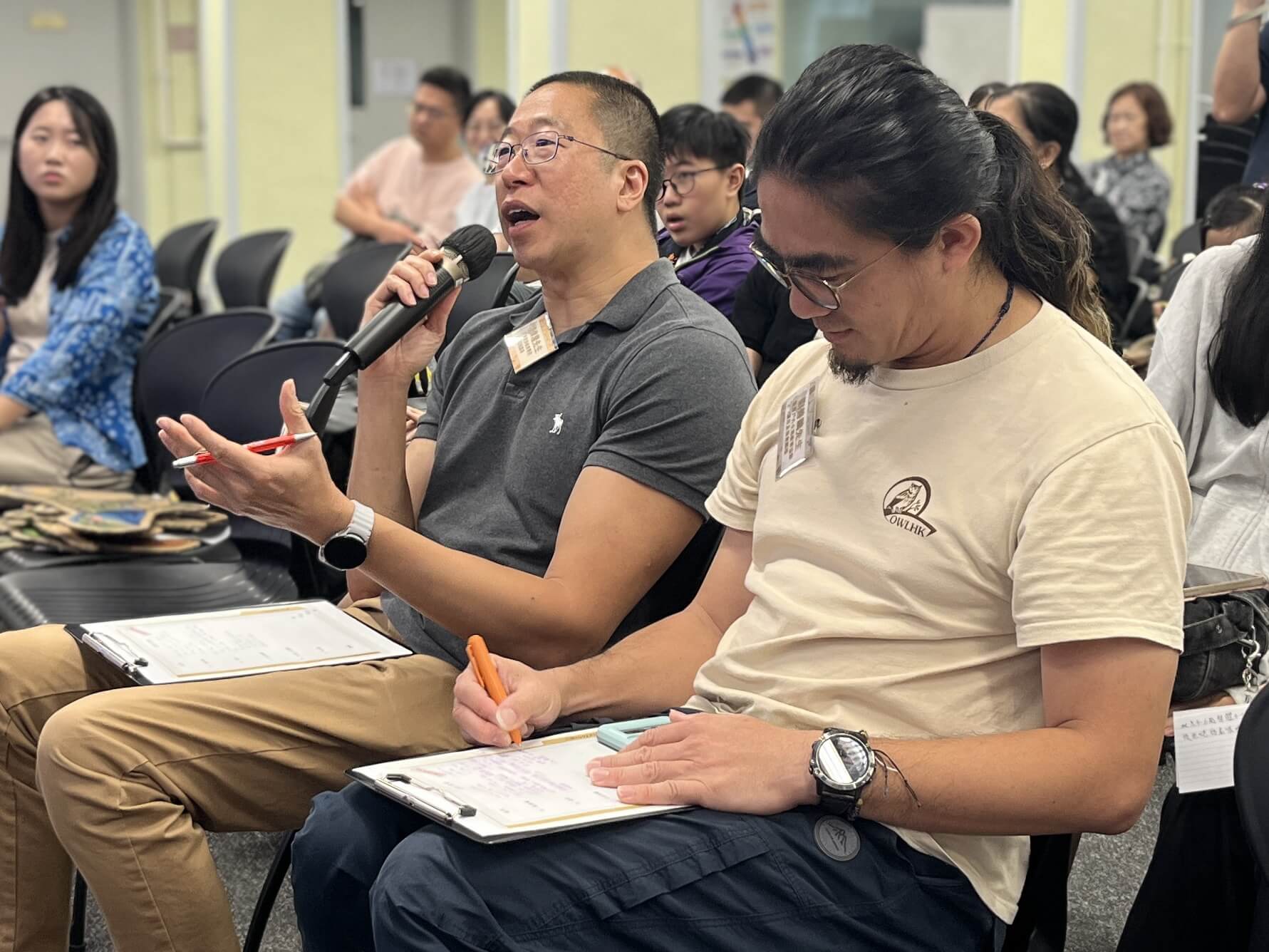
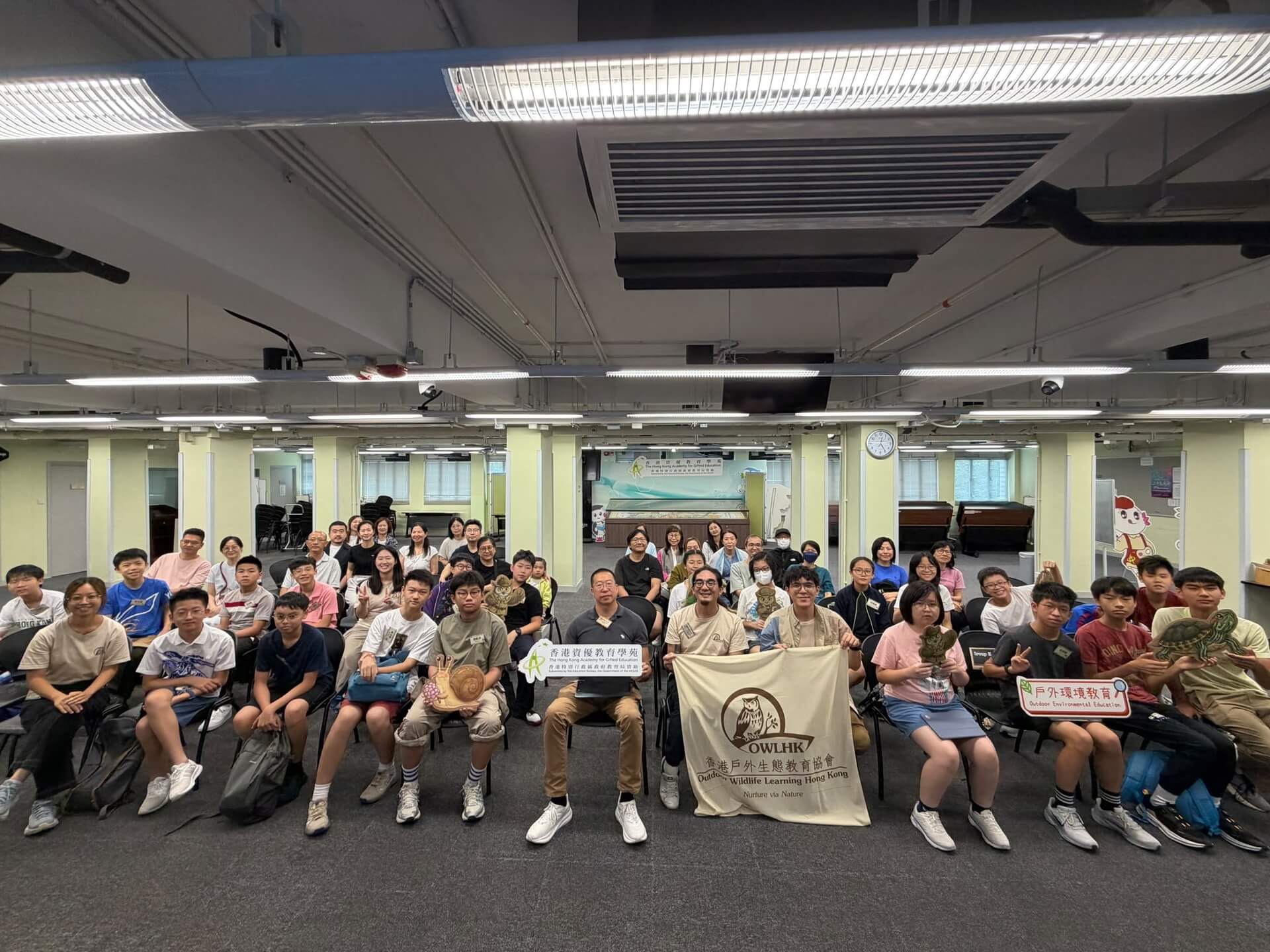
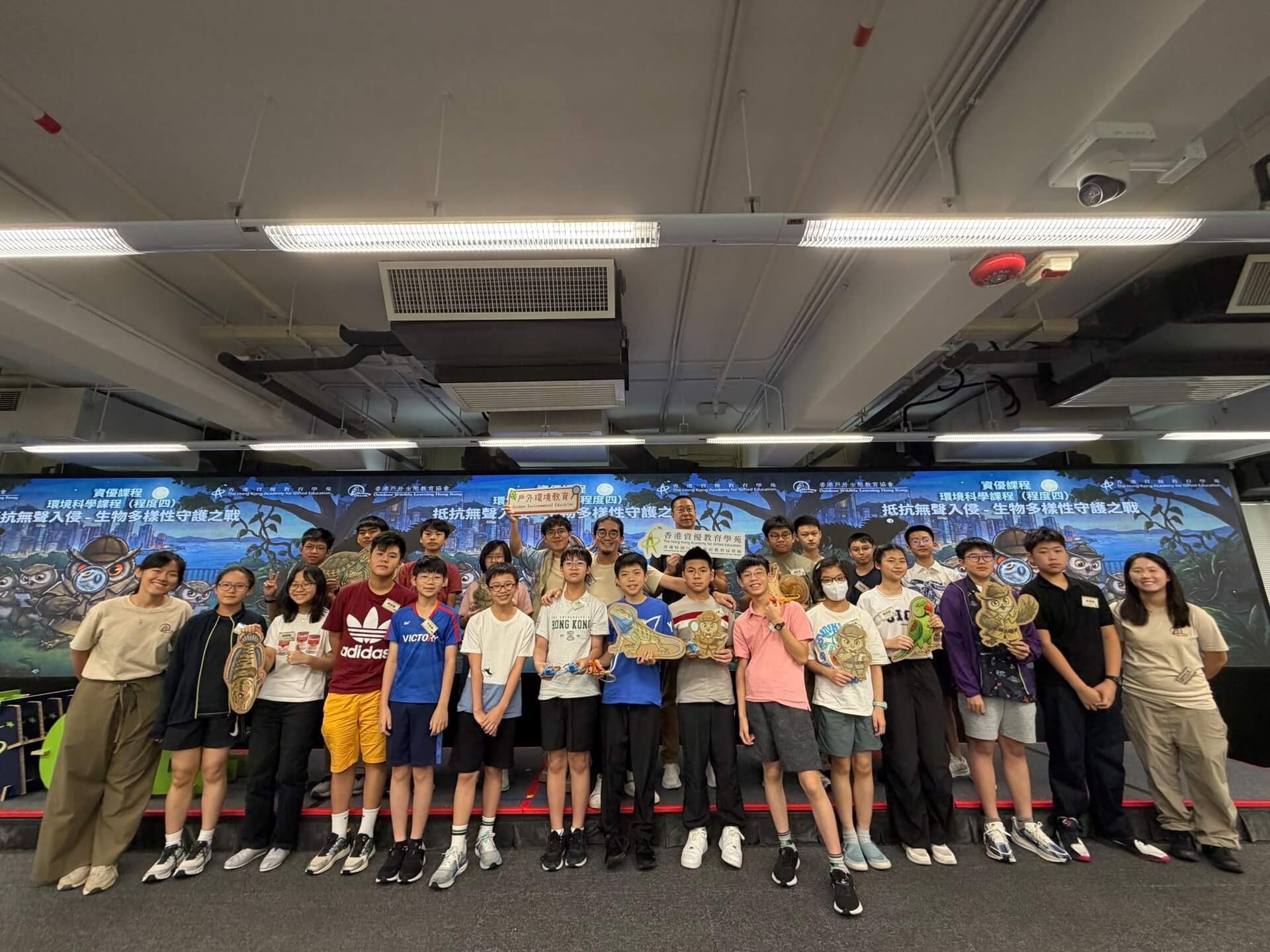
After 3 months of in-depth investigation, each group presented their research findings to guests, parents, and fellow students at the Research Project Presentation & Graduation Ceremony. Beyond presenting objective data, students creatively suggested targeted solutions, prompting everyone to reflect on how ordinary citizens can play a vital part in preventing species invasion and protecting local biodiversity in daily life.
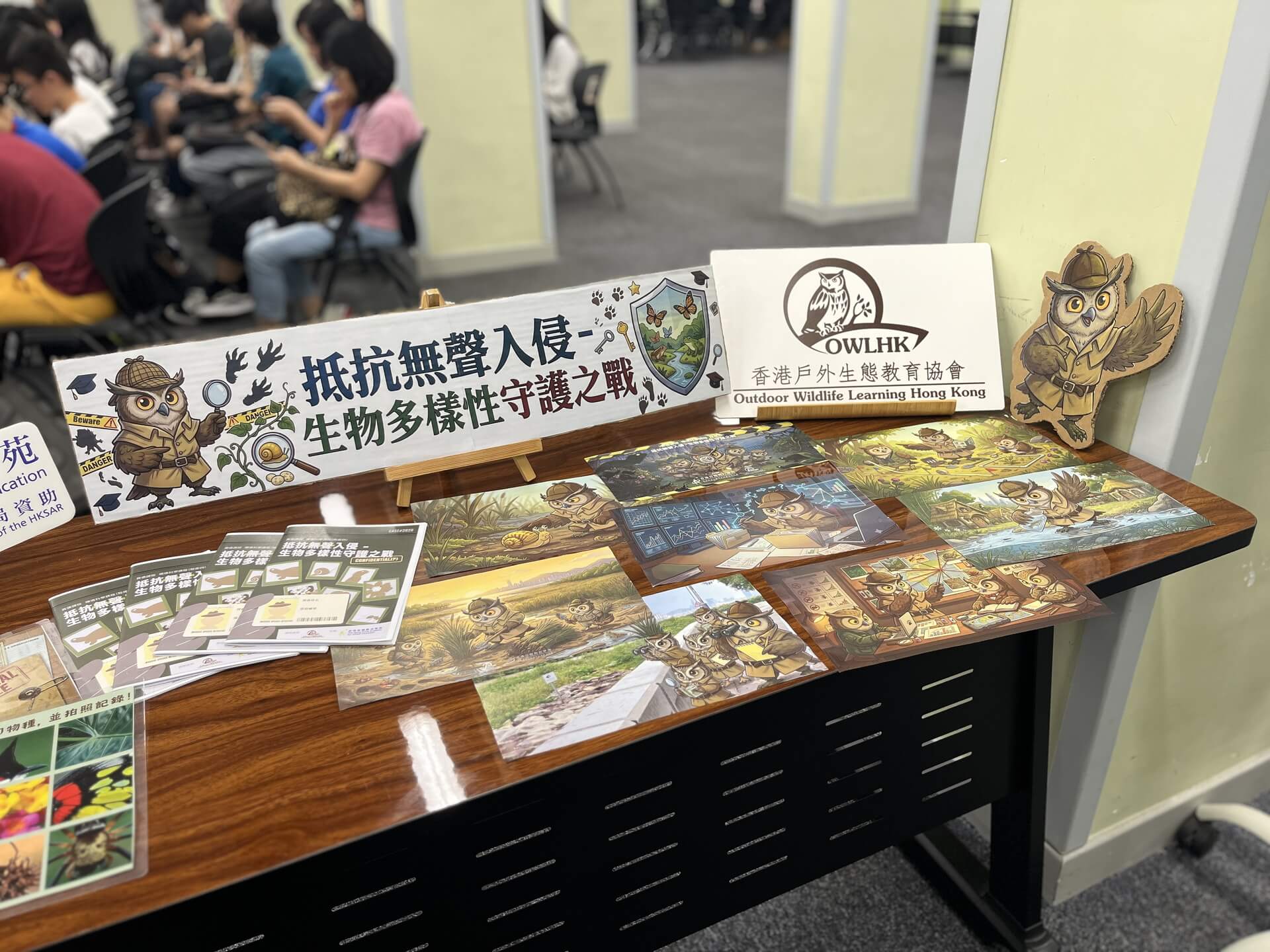
Invasive alien species have quietly slipped into our daily lives. Through this programme, we hope to nurture a team of "Young Eco-Detectives" equipped with ecological knowledge and keen observation skills. Beyond just identifying species, what matters most is building the right conservation values—looking at these "uninvited guests" with a balanced mindset, staying curious about conservation issues, and keeping a passionate, truth-seeking spirit!
[Event Highlights & Videos]
Check out the special video shot by HKAGE and the highlight clip made by OWLHK to have a glimpse of the students' exciting experiences!
[HKAGE's video is still in production and will be updated later. Stay tuned!]
Explore the students' outstanding research results below: